
Sree Tantric Astrology

Tiruvannamalai – Arunachala, the Living Form of Lord Shiva

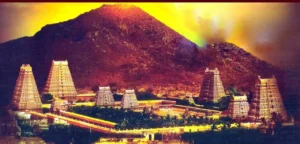
God Arunachala stands as Mountain

Tiruvannamalai is not merely a holy town of South India—it is a direct appearance of Lord Shiva’s supreme compassion. Unlike sacred places where divinity is symbolized through idols or shrines, Tiruvannamalai is unique because the deity Himself stands as Arunachala, the sacred mountain of fire. Saints, scriptures, and realized masters across ages have proclaimed that Arunachala is Shiva in visible form, silently granting liberation to all who approach Him with devotion.

Tiruvannamalai Mountain

“To think of Arunachala is to purify the mind.
To see Arunachala is to cleanse lifetimes of karma.
To surrender to Arunachala is to attain liberation.”

This is not poetic imagination—it is the lived spiritual experience of countless devotees across millennia.
Arunachala – The Eternal Fire of Consciousness

Arunachala_tiruvannamalai TempleThe word Arunachala arises from Aruna (fire, red radiance) and Achala (that which never moves). Together, they signify the eternal, unmoving flame of divine awareness. According to Shaiva scriptures, when ego arose between Brahma and Vishnu over supremacy, Lord Shiva appeared as an infinite pillar of fire—without beginning or end. Neither Brahma, who flew upward, nor Vishnu, who dug downward, could find His limits.

When they surrendered, Shiva revealed Himself and chose to remain on earth as Arunachala, so that humanity could experience liberation without complex rituals or intellectual effort. That infinite fire gradually cooled into the sacred hill we see today, yet its spiritual fire continues to burn within every sincere heart.

Unlike other holy mountains, Arunachala is not worshipped as Shiva’s abode—it is Shiva Himself.
The Spiritual Power of Arunachala

Ancient texts declare that Arunachala grants moksha (liberation) even without formal spiritual practice. Merely living near Arunachala, seeing it daily, or remembering it with devotion slowly dissolves ego and ignorance. That is why sages say Arunachala is the most compassionate form of Shiva, accessible even to householders and ordinary seekers.

The mountain radiates silence—not emptiness, but a fullness so complete that words fall away. Many devotees report spontaneous peace, clarity, and detachment simply by sitting in Arunachala’s presence. This silent teaching is considered superior to spoken instruction, for it works directly on the soul.

Rishis, Siddhars, and Ancient Penance

From time immemorial, rishis and siddhars chose Arunachala as the ideal place for intense tapas (penance). Forests around the hill once echoed with Vedic chants, deep meditation, and divine realizations. Many sages attained enlightenment in caves and secluded spots around the mountain, believing that Arunachala itself removes obstacles to Self-realization.

Scriptures say that one pradakshina (circumambulation) of Arunachala equals years of severe penance. This belief is rooted not in blind faith but in the understanding that Arunachala accelerates spiritual maturity by burning karmic impressions.

Girivalam – Walking Around God

Girivalam

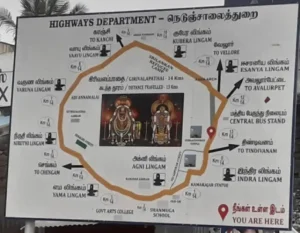
Girivalam, the sacred act of walking barefoot around Arunachala hill, is one of the most powerful devotional practices in Hinduism. The 14-kilometer path represents the soul revolving around the divine center, surrendering ego step by step.

Along the path stand the Ashta Lingams, eight Shiva manifestations guarding the eight directions. Performing Girivalam on Pournami (full moon) nights is especially auspicious, as moonlight is believed to reflect Arunachala’s grace.

Girivalam is not physical exercise—it is moving meditation. Many devotees experience emotional release, inner stillness, and profound devotion during the walk. Saints declare that Girivalam transforms inner darkness into spiritual clarity.
Arunachaleswarar Temple – Fire Made Sacred

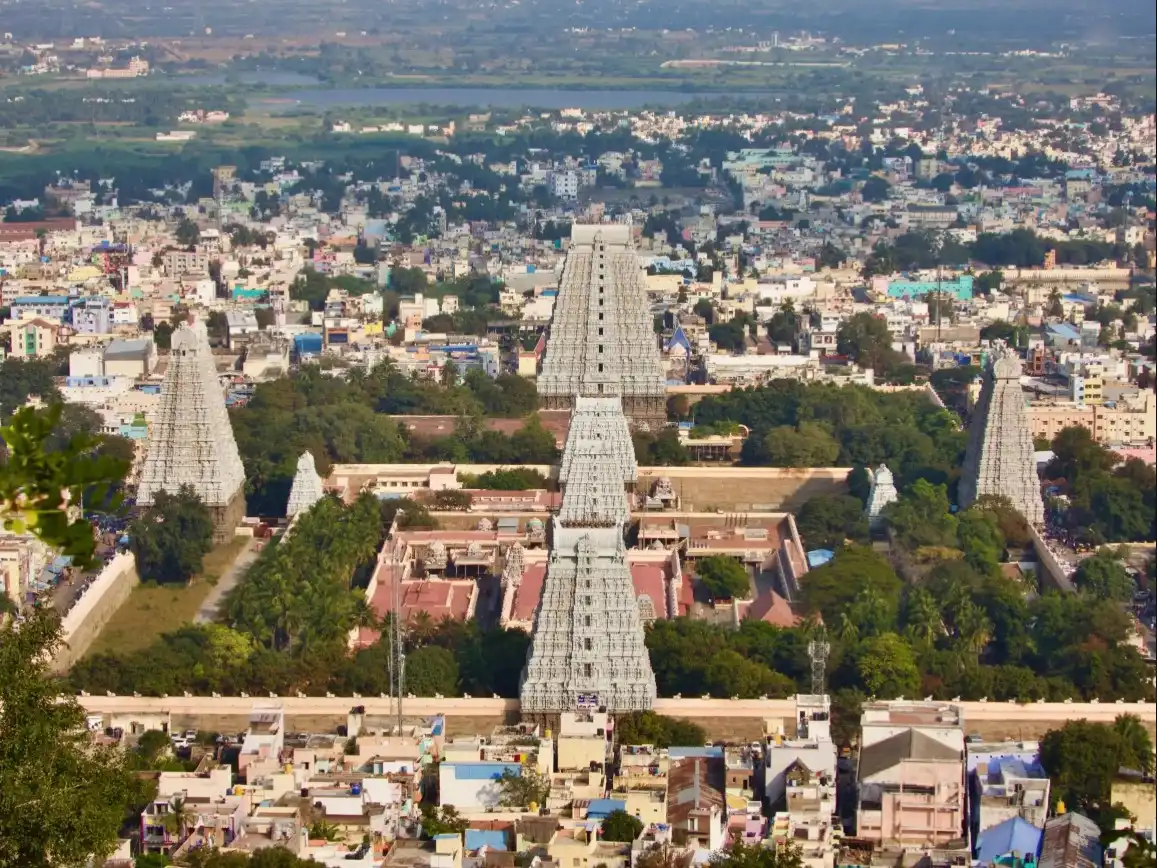
At the foothills of Arunachala stands the magnificent Arunachaleswarar Temple, one of India’s greatest Shiva temples. This temple represents the Agni (fire) element among the Pancha Bhoota Sthalams.

Spread across nearly 25 acres, the temple’s towering gopurams, ancient mandapams, and sacred tanks reflect centuries of devotion offered by Cholas, Pandyas, Vijayanagar kings, and Nayaks. Shiva is worshipped here as Annamalaiyar, and Goddess Parvati as Unnamulai Amman, embodying divine power and grace.

The temple rituals are not symbolic alone—they align the devotee with Arunachala’s inner fire, purifying mind and heart.

Karthigai Deepam – Shiva as Light

Karthigai Deepam is Tiruvannamalai’s most sacred festival. On this night, a massive flame is lit atop Arunachala hill, visible for miles. This flame represents Shiva as Jyoti—pure consciousness and divine light.

Millions gather to witness this event, often overwhelmed with devotion. Saints declare that seeing the Deepam removes ignorance and plants the seed of liberation in the heart.

Sri Ramana Maharshi – Arunachala’s Living Silence

Ramanarishi

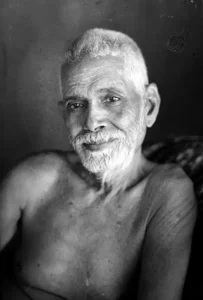
Ramana Maharshi (1879–1950) was one of India’s most revered spiritual sages, known for his simple yet profound teaching of Self-Realization. At the age of sixteen, he underwent a deep inner awakening triggered by an intense contemplation of death, through which he realized that the true Self is beyond the body and mind and is untouched by birth or death. Soon after, he left home and settled at the foot of Arunachala Hill in Tiruvannamalai, Tamil Nadu, where he spent the rest of his life in quiet wisdom and spiritual presence.

Ramana Maharshi’s core teaching is Self-Enquiry (Atma Vichara), centered on the question “Who am I?”. Instead of rituals, mantras, or elaborate practices, he guided seekers to turn their attention inward and trace every thought back to its source—the sense of “I.” According to him, when the false ego dissolves through sincere enquiry, the true Self, which is pure awareness, naturally shines forth. He taught that silence itself is the highest form of instruction and that truth can be realized directly through inner stillness.
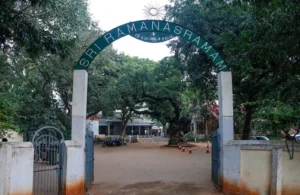
Ramana Maharishi AshramHis life and teachings continue to inspire spiritual seekers across the world, regardless of religion or background. The ashram that grew around him in Tiruvannamalai remains a center for meditation and contemplation, attracting visitors who seek peace, clarity, and self-knowledge. Ramana Maharshi’s message remains timeless: liberation is not something to be attained externally, but a realization of what we already are.

அருணாசல அஷ்டகம் (ரமணர்)

1.    அறிவறு கிரியென வமர்தரு மம்மா
வதிசய மிதன்செய லறிவரி தார்க்கு
மறிவறு சிறுவய ததுமுத லருணா
சலமிகப் பெரிதென வறிவினி லங்க
வறிகில னதன்பொரு ளதுதிரு வண்ணா
மலையென வொருவரா லறிவுறப் பெற்று
மறிவினை மருளுறுத் தருகினி லீர்க்க
வருகுறு மமயமி தசலமாக் கண்டேன்.

பொருள்: அருணாசலத்தின் மஹிமை எப்படி அறியப்பட்டது
அருணாசலத்தின் மகத்துவத்தை அறிதல் எளிதல்ல. சிறு வயதிலிருந்தே அது மிகப் பெரியது என என் அறிவில் ஒளிர்ந்தது. அதன் உண்மைப் பொருளை “திருவண்ணாமலை” என ஒருவர் காட்டினார். அறியாமை மறைவை நீக்கி, என்னை தன்னுள் இழுத்து, நிலைபெற்ற சத்தியமாக அருணாசலம் இருப்பதை நான் கண்டேன்.

2.    கண்டவ னெவனெனக் கருத்தினு ணாடக்
கண்டவ னின்றிட நின்றது கண்டேன்
கண்டன னென்றிடக் கருத்தெழ வில்லை
கண்டில னென்றிடக் கருத்தெழு மாறென்
விண்டிது விளக்கிடு விறலுறு வோனார்
விண்டிலை பண்டுநீ விளக்கினை யென்றால்
விண்டிடா துன்னிலை விளக்கிட வென்றே
விண்டல மசலமா விளங்கிட நின்றாய்.

பொருள்: கண்டவன் யார்?” என்று தேடினபோது, காண்பவன் எங்கேயும் தனியாக இல்லை. “கண்டேன்” அல்லது “காணவில்லை” என்ற எண்ணமே எழவில்லை. பேச முடியாத அந்த உண்மையை நீயே முன்பே எனக்கு வெளிப்படுத்தினாய். சொல்ல முடியாத நிலையில் கூட, உன் இயல்பான ஒளியில் நீ நிலைத்து நின்றாய்

3.    நின்னையா னுருவென வெண்ணியே நண்ண
நிலமிசை மலையெனு நிலையினை நீதா
னுன்னுரு வருவென வுன்னிடின் விண்ணோக்
குறவுல கலைதரு மொருவனை யொக்கு
முன்னுரு வுனலற வுன்னிட முந்நீ
ருறுசருக் கரையுரு வெனவுரு வோயு
மென்னையா னறிவுற வென்னுரு வேறே
திருந்தனை யருணவான் கிரியென விருந்தோய்.

பொருள்: உருவமற்றவன், மலைவடிவில் அருணாசலா
நான் உன்னை ஒரு உருவம் என எண்ணினால், நீ மலை போல நின்றாய். உன் உருவத்தைத் தேடினால், ஆகாயம் போல் எல்லையற்றவனாய் விளங்கினாய். தீ, நீர், நிலம் போன்ற வடிவங்களாய் தோன்றினாலும், உண்மையில் என் உணர்வுக்குள் “நான்” என ஒளிரும் சத்தியமே நீ — அருணாசலா.

4.    இருந்தொளி ருனைவிடுத் தடுத்திட றெய்வ
மிருட்டினை விளக்கெடுத் தடுத்திட லேகா
ணிருந்தொளி ருனையறி வுறுத்திடற் கென்றே
யிருந்தனை மதந்தொறும் விதவித வுருவா
யிருந்தொளி ருனையறி கிலரெனி லன்னோ
ரிரவியி னறிவறு குருடரே யாவா
ரிருந்தொளி ரிரண்டற வெனதுளத் தொன்றா
யிணையறு மருணமா மலையெனு மணியே.

பொருள்: அறியாமையை நீக்கும் ஒளி
உன் ஒளி, அறியாமை என்ற இருளை நீக்குகிறது. அதனால் நீ பல வடிவங்களில் தோன்றினாய். உன்னை அறியாதவர்கள் குருடர்களைப் போல. ஆனால் என் உள்ளத்தில் இரட்டையில்லா ஒளியாக ஒன்றாய் நீ நிலைத்தாய். அந்த ஒளிமலையே அருணாசலம்.

5.    மணிகளிற் சரடென வுயிர்தொறு நானா
மதந்தொறு மொருவனா மருவினை நீதான்
மணிகடைந் தெனமன மனமெனுங் கல்லின்
மறுவறக் கடையநின் னருளொளி மேவும்
மணியொளி யெனப்பிறி தொருபொருட் பற்று
மருவுற லிலைநிழற் படிதகட் டின்விண்
மணியொளி படநிழல் பதியுமோ வுன்னின்
மறுபொரு ளருணநல் லொளிமலை யுண்டோ.

பொருள்: உள்ளிருக்கும் ஒரே ஒளி அருணாசலா
உயிர்கள் பலவாகத் தோன்றினாலும், ஒவ்வொன்றிலும் நீ ஒருவனாய் இருக்கிறாய். மனம் என்ற கல்லை உன் அருளொளி உருக்குகிறது. உலகப் பொருள்கள் அனைத்தும் உன் ஒளியின் நிழல் மட்டுமே. உன்னைவிட வேறு உண்மையான பொருள் இல்லை — அருணாசலா.

6.    உண்டொரு பொருளறி வொளியுள மேநீ
யுளதுனி லலதிலா வதிசய சத்தி
நின்றணு நிழனிரை நினைவறி வோடே
நிகழ்வினைச் சுழலிலந் நினைவொளி யாடி
கண்டன நிழற்சக விசித்திர முள்ளுங்
கண்முதற் பொறிவழி புறத்துமொர் சில்லா
னின்றிடு நிழல்பட நிகரருட் குன்றே
நின்றிட சென்றிட நினைவிட வின்றே.

பொருள்: நிழல்களும் உண்மையும்
உண்மையான அறிவொளி நீயே. நினைவுகள், நிகழ்வுகள், உலகம்—all நிழல்கள். அவை கண்கள் வழியாகத் தோன்றினாலும், நீ மட்டும் ஒப்பற்ற அருள்குன்றாக அசையாமல் நிற்கிறாய். வருதல்–போகுதல் இல்லாத நிலையான உண்மை நீ.

7.    இன்றக மெனுநினை வெனிற்பிற வொன்று
மின்றது வரைபிற நினைவெழி லார்க்கெற்
கொன்றக முதிதல மெதுவென வுள்ளாழ்ந்
துளத்தவி சுறினொரு குடைநிழற் கோவே
யின்றகம் புறமிரு வினையிறல் சன்ம
மின்புதுன் பிருளொளி யெனுங்கன விதய
மன்றக மசலமா நடமிடு மருண
மலையெனு மெலையறு மருளொளிக் கடலே.

பொருள்: இதயம் தான் அருணாசலம்
“நான்” என்ற எண்ணம் எழும்பும் இடமே உண்மையான ஆலயம். வெளியில் பிறப்பு–இறப்பு, இன்பம்–துன்பம் தோன்றினாலும், உள்ளத்தில் நீ ஆடுகிறாய். எல்லையற்ற அருள்–ஒளிக் கடலாக, அருணாசலம் என் உள்ளத்தில் நடமாடுகிறது.

8.    கடலெழு மெழிலியாற் பொழிதரு நீர்தான்
கடனிலை யடைவரை தடைசெயி னில்லா
துடலுயி ருனிலெழு முனையுறு வரையி
லுறுபல வழிகளி லுழலினு நில்லா
திடவெளி யலையினு நிலையிலை புள்ளுக்
கிடநில மலதிலை வருவழி செல்லக்
கடனுயிர் வருவழி சென்றிட வின்பக்
கடலுனை மருவிடு மருணபூ தரனே.

பொருள்: சரணாகதி
உயிர்கள் பல வழிகளில் உலகத்தில் அலைந்தாலும், எங்கும் நிலை இல்லை. இறுதியில் ஆனந்தக் கடலான உன்னையே அடைய வேண்டும். உயிர் வந்த வழியிலேயே திரும்பச் செல்லும்படி வழிகாட்டும் அருணாசலா — உன்னைச் சரணடைந்தேன்.

எளிய மந்திரங்கள்

ஓம் நமசிவா வாழ்க
ஓம் நாதன் தாள் வாழ்க
ஓம் சச்சிதானந்த வாழ்க
ஓம் அருணாசல சிவா வாழ்க

திருச்சிற்றம்பலம்

Temple Location and Details

Arunachaleswarar Temple (also known as Annamalaiyar Temple) is located in Tiruvannamalai town, which is the district headquarters of Tiruvannamalai district, Tamil Nadu. The temple stands at the eastern foothills of Arunachala Hill, and the town itself has evolved around this sacred hill and temple, making Tiruvannamalai a continuous pilgrimage landscape rather than a single temple location.

Spiritually, the temple represents Agni (Fire) among the Pancha Bhoota Sthalams and is also a revered Paadal Petra Sthalam. When visiting, devotees should focus on the main Arunachaleswarar (Shiva) lingam, the Unnamulai Amman shrine, the Brahma Theertham tank, the Thousand-Pillared Hall, and the four massive gopurams, especially the eastern gopuram. Outside the temple, Girivalam (14 km circumambulation of Arunachala Hill) is considered as sacred as temple worship itself.
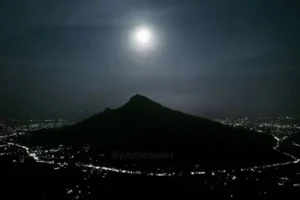
PournamiThe best months to visit are November to February due to pleasant weather; weekdays (Monday–Thursday) and early mornings offer calmer darshan, while full-moon (Pournami) days, Fridays, and weekends are spiritually significant but very crowded.

The most important festival is Karthigai Deepam (Nov–Dec), when a giant flame is lit atop Arunachala Hill, symbolizing Shiva as fire; other major festivals include Brahmotsavam (10 days, once yearly), Mahashivaratri, Pradosham (twice monthly), and monthly Pournami Girivalam.

Daily worship follows the traditional Shaiva Agama system with six main poojas: Ushakala, Kala Santhi, Uchikala, Sayaratchai, Irandam Kala, and Arthajama, with special abhishekams on Pradosham and Mondays.

Transport & Connectivity

By Bus

  • Main Bus Terminal: Tiruvannamalai Central Bus Stand — approx. 1 km from the temple

  • Local / Minor Stops: East Gopuram Bus Stop, Girivalam Road mandapam stops

  • Connectivity: Frequent TNSTC and SETC buses operate from Chennai, Bengaluru, Vellore, Villupuram, Salem, Puducherry, and nearby towns

  • Last-mile access: Autos and town buses are readily available from all bus stops to the temple entrances

By Train

  • Nearest Station (Minor): Tiruvannamalai Railway Station — approx. 2 km from the temple

  • Major Rail Junctions:

    • Villupuram Junction — ~65 km (excellent connectivity within Tamil Nadu)

    • Katpadi Junction — ~85 km (well connected to Chennai, Bengaluru, and major cities)

  • Last-mile access: Autos and taxis available outside stations

By Air

  • Nearest Major Airport: Chennai International Airport — ~190 km (4–5 hours by road)

  • Closer Airport (Limited Flights): Puducherry Airport — ~110 km (2.5–3 hours by road)

  • Airport transfers: Taxi and bus services available from both airports to Tiruvannamalai

Tiruvannamalai has direct bus connectivity but limited direct train services; travelers often prefer buses or trains via Villupuram/Katpadi for smoother access.

To plan you travel